
The Trends Shaping 2026
In a world of digital interactions, social transactions and AI overreactions, physical products continue to gain traction. As algorithms feed us content in our multiscreen existence, real-life experiences such as engaging with a physical product or within a community provide nostalgia, connection and comfort for overstimulated consumers.
In a volatile world, we are reassured by the consistent presence of our favorite brands. Their product assortment may evolve. Their messaging may shift. But successful brands know how to successfully exude their ethos and maintain their emotional entanglement with consumers.
Following are the trends we’re most excited about to keep us present in 2026.
**Movie Magic **
Yes, Wicked did it again. Following a flood of fashion-based partnerships for the first installment, Universal focused on CPG for the sequel with partnerships spanning multiple categories. Procter & Gamble launched Wicked scented products with Gain, Febreze, Dawn, Secret, Olay, Crest, Cascade and Swiffer. And that’s just a sample of the 400+ brand partners that helped support Wicked: For Good.
Beyond the blockbuster, the model of studios using products as a primary form of marketing continues to deliver engagement. On a smaller scale, A24 created a brand portfolio for both the character and the movie, Marty Supreme. Beginning with an apparel collab with Nahmias that created a still-strong orange jacket viral moment, the studio also partnered with Wheaties and AirBNB to fuel hype around the film that blended the lines of reality and fiction. The movie has been a critical and commercial success, and we can expect to see more studios leverage the connection between content and product in 2026.
**Protein Everywhere **
High-protein, low-carb is not a trend. It went mass during the early part of the century thanks to popular diets such as Atkins and South Beach. More recent nutritional trends have guided consumers towards a wider assortment of whole foods; however, protein remains a critical component of a healthy diet and is the top macronutrient purchase driver for Millennials and Gen Z.
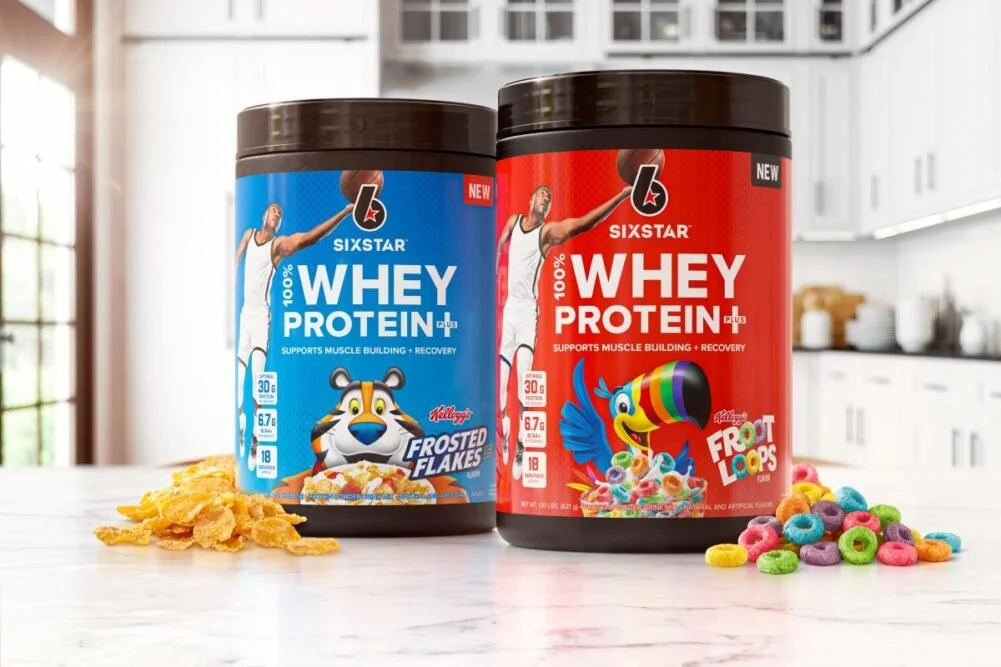
Enter the brands! Starbucks and Dunkin’ now offer the option to add protein milk to coffee drinks. Kellanova’s staple breakfast brands Pop Tart and Eggo now offer protein-enhanced SKUs. WKKC cereals, Special K and Kashi promote protein content on their packaging, while Frosted Flakes and Froot Loops have launched protein powders and RTD beverages. And a variety of brands focused on protein-rich snacks such as David, Legendary Foods, and Magic Spoon have moved beyond DTC into mainstream retail, creating more options than ever for consumers to get their grams.
**Character Craze **
Character-based collectibles have been around for generations. However, they are driving collectability and community now more than ever. And they are doing so without a connection to content. Figurines following film are generally a proven commodity. So much so that competitors Mattel and Hasbro, formed an unprecedented master toy partnership to support Netflix’s biggest film release ever, K-Pop Demon Hunters. But there are some new kids on the block. Labubu, Sonny Angels and Jellycat all saw exponential growth in 2025 thanks to the creation of demand through limited products, the surprise element delivered by blind boxes and the social euphoria of unboxing. The collectibles are seen as both an affordable luxury and an expression of identity through their employment as bag charms and home décor items. In 2026, we can look for the universe of these characters to expand through additional products, content and brand partnerships.
**Go Analog **
What happens when nostalgia-loving Millennials become parents in a digital world? They seek a return to analog simplicity. “Parent like the 90’s” has become a growing trend as overstimulated parents seek to prevent their children from the epidemic of brain rot at an early age.
As part of a collective digital detox movement, landline telephones have been making a comeback as one of the hottest holiday gift items in 2025 was the Tin Can Landline phone. The screen-free device aims to enhance conversational skills and provide a screen-free community for kids. The Brick, a small gray square, is designed to decrease time spent doom scrolling by physically locking users out of apps of their choosing. And The Woobles has made crocheting accessible and fun with easy-to-use kits and partnerships with film properties such as Spongebob, Minecraft and Wicked.
Beyond these, book clubs, lemonade stands and board games are seeing increases in participation, and we expect to see more brands activating around analog activities.
**Functionality First **
Clean labels are no longer a “better-for-you” marketing platform. They are a non-negotiable wellness standard among Gen Z and Millennial consumers who demand transparency and authenticity in the products they buy. Beyond the aforementioned macronutrients, consumers seek the story of what chemicals are in (and not in) their household products.
Fueled by the absence of forever chemicals, ceramic cookware has seen massive sales growth in recent years. Led by brands such as Carraway and Our Place, the market is projected to approach $10 billion in annual sales (up from its current $5.8B) in the next four years.
Fear of microplastics leaching into our foods and the water supply, eco-friendly upstart, Dropps has expanded the distribution of its bio-based dishwasher and laundry pods into Walmart and Target, while legacy brands such as Tide and Cascade have leaned into their “Free and Clear” product SKU’s. Additional evolution is expected across the entire household landscape as well as other products that touch our bodies and foods. ** Michelin Meets Mainstream **
At both ends of the spectrum, global, haute cuisine is seeing unprecedented engagement. Thanks to authorities such as The James Beard Foundation and Michelin, the content pipeline for premium food culture has never been more accessible. As a result, we’re seeing a disruption to the order of things. Aspirational and accessible are peacefully co-existing, offering diners multiple entry points to premium food.
Kwame Onwuachi has earned a Michelin recommendation and the coveted number one spot on the New York Times “100 Best Restaurants in NYC” list for his restaurant, Tatiana, where entrees start at $42. Onwuachi also operates three Kwame’s Patty Palace locations; a Jamaican beef patty can be had for $15.
Legendary chef and TV personality, Tom Colicchio has earned Michelin stars and James Beard awards while building an empire of restaurants under the Crafted Hospitality Group. His latest venture? Combining his love for Friends and good food to create the menu for the permanent location of Central Perk in Times Square.
As premium food continues to become more accessible, we’ll be watching to see the impact within the grocery channel.
**Personal Style **
According to Who What Wear, “Gen Z doesn’t just get dressed—they curate.” Or to put it in Taylor Swift terms, America is in its hyper-personalization era. Stoney Clover Lane patches. LoveShackFancy monogrammed Stanley cups. The previously mentioned-Labubu bag charms. Little Words Project bracelets. Consumers are going a step further than limited edition drops and leaning into truly one-of-one products and brand experiences. We can now order customized skincare products, fragrances, multivitamins, protein powder and more. The products may be individual, but the tribalism around the brands making them is collective. And while powered by technology in some cases, there are also opportunities for community to create these customized products. Expect to see more brands offering unique assets for personalization.